NASA Panel Pegs Starship Refueling Demand at 22 Flights
A new safety assessment outlines a flight manifest that could push human lunar landings beyond the current decade.
By Luis Fernandez ·
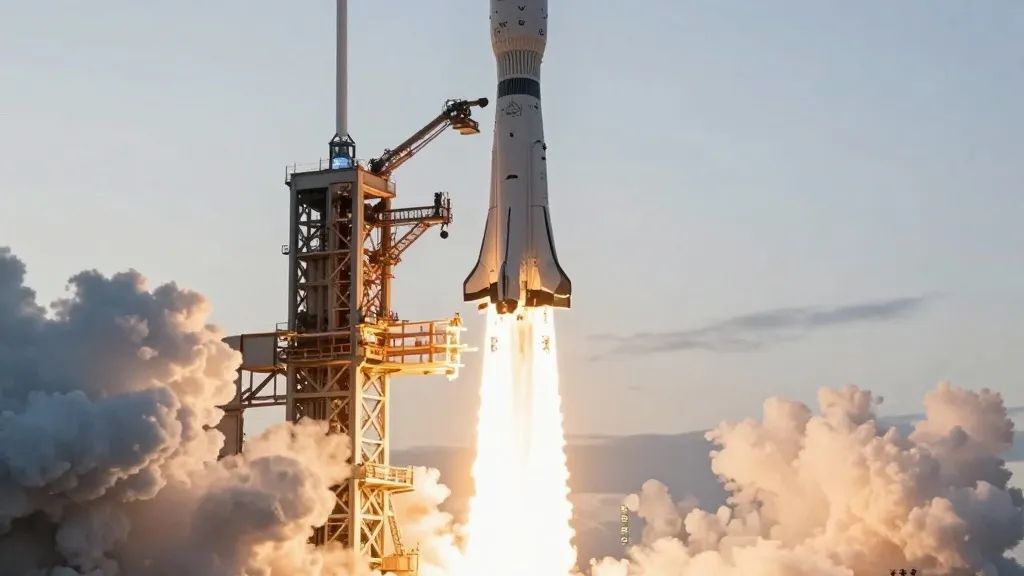
A projection presented Thursday by the NASA Aerospace Safety Advisory Panel estimates that fueling a Starship-based lunar lander to support a mission to the Moon's surface would require 22 rocket launches. This figure, discussed by panel member and former astronaut Charlie Precourt during the group's quarterly meeting regarding Artemis program risks, represents a significant increase over prior expectations and raises questions about the feasibility of using SpaceX's vehicle for NASA's human landing efforts.
The number of Starship flights required to assemble a fully fueled lander in low-Earth orbit has been a closely guarded metric within NASA for years. Officials have historically declined to commit to a specific figure, citing ongoing uncertainty regarding vehicle performance. In 2023, then-director of the Human Landing System program Lisa Watson-Morgan stated she was reluctant to provide a precise count but characterized the requirement as being in the “high single digits to the low double digits.” This implied a sequence involving a depot ship followed by approximately 11 tanker flights to transfer liquid oxygen and methane propellant.
Other officials have previously suggested figures in the “high teens.” The long-standing plan relied on SpaceX increasing the lift capacity of its launch vehicle, thereby reducing the number of tanker flights necessary to load the depot. However, concerns have emerged among some NASA officials regarding the pace of these performance gains. The assessment delivered by Precourt suggests that the anticipated reduction in launch count may not be materializing in time to support human lunar landings this decade.
The timeline of this issue reflects a shift from optimistic projections to cautionary estimates. Early in the Artemis program, discussions centered on minimizing the logistical footprint required to support a mission beyond Earth's orbit. The conversation has since pivoted to addressing the risks associated with executing a high-cadence launch campaign. The panel's focus on this specific metric indicates that the logistical burden of fueling a lander is now viewed as a significant risk factor to mission safety and schedule.
NASA is currently developing plans to return humans to the lunar surface under the Artemis banner. The agency intends to utilize a lander for the descent to the lunar surface. The proposed architecture involves fueling this vehicle in low-Earth orbit before it departs for the Moon. The process necessitates a depot ship to hold the propellant, which is then filled by multiple tanker ships. The safety panel's warning suggests that the volume of launches required to achieve this fuel transfer could introduce unacceptable risks or delays.
The implications of a 22-launch requirement are substantial. Increasing the number of flights needed to fuel a single lander extends the mission timeline and complicates the logistics of the operation. The safety panel's discussion of these risks suggests that the agency is evaluating the operational reality of the proposed launch sequence. The agency must balance the technical requirements of fueling the vehicle against the operational risks inherent in conducting such a high volume of launches.
What happens next involves addressing the gap between the required lift capacity and current performance. The projection of 22 flights highlights the disparity between the agency's goals and the vehicle's current capabilities. The safety panel's role is to identify such risks, and this meeting served to outline the specific challenges associated with the Artemis program. The agency is now confronted with the logistical realities of the proposed launch sequence.
The agency continues to monitor the development of the Starship program. The safety panel's assessment indicates that the current trajectory may not align with the agency's timeline for returning humans to the Moon. The agency's plans rely on the ability to refuel a lander in low-Earth orbit. The safety panel's meeting on Thursday addressed the risks associated with this specific requirement. The agency is evaluating the feasibility of the proposed launch sequence.
Source: Ars Technica